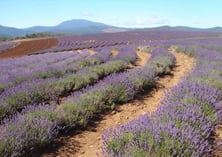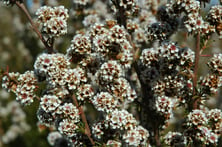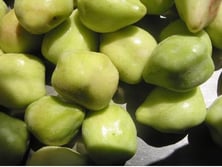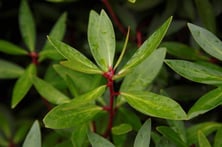

Specialists in Australian Native Botanicals.
Our exclusive product inventory is why the world comes to us – for access to the very best of Down Under-grown botanicals. No imports, ever.
FILTER BY CATEGORY
(45)
(45)
(45)
(45)
(45)
(45)
PRODUCT LIST
PRODUCT LIST
Looking for wholesale native Australian essential oils and botanicals? Review our Product Guide and learn more about unique oils such as Tea Tree, Lemon Myrtle, Sandalwood, Fragonia®, and more.
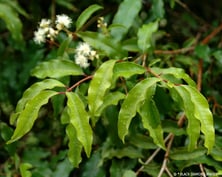
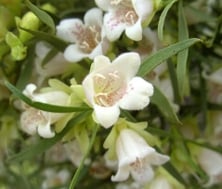
ANISE MYRTLE OIL
https://www.downunderenterprises.com/hubfs/Product_Images/1_Anise_Myrtle.jpg
ANISE MYRTLE OIL
20138934331
Syzygium anisatum (syn. Backhousia anisata)
Conventional
Steam distilled (water)
Leaves and twigs
1, 5, 10, 20, 180
Formerly known as Backhousia anisata and Anetholea anisata, the anethole chemotype of the botanically reassigned Syzygium anisatum can be used as a flavoring agent in foods and beverages. Like many other plants with similar flavor qualities it acts as a digestive aid and carminative. Low amounts will suffice in most formulations as it has a very high odor and flavor intensity. Much like licorice, it is used as an expectorant and it is best added to other oils to complement and potentiate other medicinal activities. It may be used in the fragrance industry as a substitute for anise or fennel aroma. “Anethole is regarded as an antiseptic, bactericide, cancer-preventative, carminative, dermatogenic, expectorant, fungicide, gastrostimulant and insecticide” (Webb). It lowers the sympathetic nervous system response, allowing for a greater sense of relaxation. The methyl chavicol chemotype is toxic at high doses in mice. It is “an anesthetic, anticonvulsant, myorelaxant, cancer-preventative, fungicide, antispasmodic, a carminative and stabilizes the sympathetic nervous system, hence its antispasmodic qualities” (Webb).Results from a study done in 2005, show that essential oils from this and other Australian plants may be valuable antimicrobial agents for use alone or incorporated into cosmetics, cleaning agents and pharmaceutical products (Wilkinson).
Anise Myrtle
Product Details and Documentation
https://www.downunderenterprises.com/anise-myrtle
Request a sample
https://www.downunderenterprises.com/contact-us
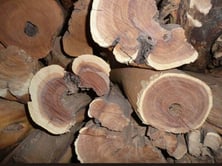
BUDDHA WOOD OIL
https://cdn2.hubspot.net/hubfs/4860912/3.%20Buddha%20Wood.jpg
BUDDHA WOOD OIL
20139978807
Eremophila mitchellii
Conventional
Steam distilled (water)
Wood
1, 5, 10, 20, 180
Eremophila mitchellii was named in 1848 by botanist George Bentham, after Sir Thomas Mitchell, who led the discovery expedition into Australia. No less than 17 species of Eremophila have roots in Aboriginal use. The species mitchellii is noted as having ‘general medicinal purposes’.Eremophila mitchellii occurs in the arid regions of New South Wales, Queensland and South Australia. The tree, very common in Western Queensland, is often confused with Santalum lanceolatum R. Br., both trees being commonly referred to as False Sandalwood. Initial research was done through the School of Pharmacy, Griffith University, Gold Coast campus, QLD, Australia. It is considered somewhat invasive, though native Asutralia, with over 215 species. The scented wood is burnt for its pleasant aroma. The oil has also been used for perfumery, bath, massage, diffuser, blending, and a perfume fixative. The rare sesquiterpene compounds lend anti-inflammatory properties to this rare and unique oil. This woody scented oil provides deep relaxation to body, mind and spirit. The eremophilanes reportedly inhibit P388D1 cancer cell growth in vitro.
Buddha Wood
Product Details and Documentation
https://www.downunderenterprises.com/buddha-wood
Wood Oils Collection
https://www.downunderenterprises.com/wood-oils-collection
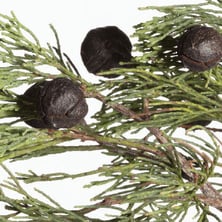
CYPRESS, BLUE OIL
https://www.downunderenterprises.com/hubfs/Optimized%20Images/Product/Blue-Cypress.jpg
CYPRESS, BLUE OIL
20145995511
Callitris intratropica
Conventional
Steam distilled (water)
Wood and Bark
1, 5, 10, 20, 180
Blue Cypress beautiful color and therapeutic properties are resulting in this oil becoming more frequently used in the personal care and cosmetics industries. This Cypress family member contains quaiazulene, providing anti-inflammatory properties offered in other blue oils such as yarrow, German chamomile and tansy. Blue Cypress Oil offers a middle to base note in fragrance blends, slowing the evaporation of top notes. It blends well with other wood notes and citrus scents.Blue Cypress was a traditional medicine for thousands of years, lending credence to its current day uses. This native Australian tree was used as a skin wash for cuts and sores, to soothe abdominal cramping and as an analgesic and insect repellent. As a grounding base note, it is also useful for those of a nervous disposition, providing a calming and reassuring effect. An immune tonic, antibacterial and antiseptic, it helps treat and prevent infection. This tropical conifer produces clear annual growth rings, and has been shown to be potentially useful for understanding past climate variability in northern Australia. Unique among ancient trees, this prehistoric aromatic offers soothing effects on body, mind and spirit. “Anecdotal data has shown the oil to have good anti-inflammatory and pain–relieving properties against allergic hives, insects (like sand fly, bee, wasp, mosquito), rheumatoid arthritis, general joint pain and swelling. It has also been shown to be an anti-irritant, soothing nappy rash and reducing erythema in a small trial. The oil exhibits antiviral properties, being particularly effective against common warts (verruca), shingles (herpes zoster) and cold sores (herpes simplex). The oil also has been used for burns where it has significantly reduced the healing time and pain associated with the injury” (Webb).
Blue Cypress
Product Details and Documentation
https://www.downunderenterprises.com/blue-cypress
Wood Oils Collection
https://www.downunderenterprises.com/wood-oils-collection
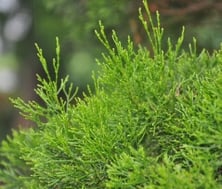
CYPRESS, WHITE (LEAF) OIL
https://cdn2.hubspot.net/hubfs/4860912/5.%20White%20Cypress%20Leaf.jpg
CYPRESS, WHITE (LEAF) OIL
20145995512
Callitris columellaris
Conventional
Steam distilled (water)
Leaves and Twigs
1, 5, 10, 20, 180
White Cypress Leaf Oil is obtained via steam distillation from the leaves of Callitris columellaris. It has an airy, fresh aroma and hints of fruity citrus notes at the top. This essential oil blends well with citrus or floral notes, but may compete with other oils of strong odor personality. The essential oil is relatively new on the commercial market, though its investigation began over a century ago. The timbers are hard and dense and are renowned for their resistance to the Australian termite population (due to the essential oil in the heartwood). A 2007 research paper notes that 18 species and four subspecies of the leaf essential oils were investigated by the Australian government; all show applications as insecticides, antimicrobial agents and fragrances (Brody, et al.). These authors state that most of the published work on the genus Callitris has been on the extracts of the wood, but note that their research is the first document to investigate all known Australian species focused on the leaf oil. Little is written on the therapeutic properties of the leaf oil, though with the high proportion of limonene we can extrapolate that it could well have bile stimulating properties (Bowles). Its solvent qualities also point to applications for oily or clogged skin. Use both the leaf and the wood oil sparingly from both a therapeutic and fragrance standpoint.
White Cypress : White Cypress Leaf
Product Details and Documentation
https://www.downunderenterprises.com/white-cypress-leaf
Request a sample
https://www.downunderenterprises.com/contact-us
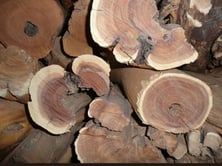
CYPRESS, WHITE (WOOD) OIL
https://cdn2.hubspot.net/hubfs/4860912/6.%20White%20Cypress%20Wood.jpg
CYPRESS, WHITE (WOOD) OIL
20145995513
Callitris columellaris
Conventional
Steam distilled (water)
Wood and Bark
1, 5, 10, 20, 180
White Cypress Wood Oil is obtained via steam distillation from the wood of Callitris columellaris. It blends well with citrus or floral notes, but may compete with other oils of strong odor personality.The essential oil is relatively new on the commercial market though its investigation began over a century ago. The timbers are hard and dense and are renowned for their resistance to the Australian termite population (due to the essential oil in the heartwood). It has been mainly used for fragrance and flavor, and aromatherapists prize it for its grounding and stabilizing properties to calm an agitated mind and body. Use both the leaf and the wood oil sparingly from both a therapeutic and fragrance standpoint.White Cypress Wood Oil obtained from the wood contains guaiol, a known anti-inflammatory agent. The oil of this cypress family member is useful for skin conditions related to inflammation, such as swelling, bruising, rosacea, acne and rash. It is reputed to be antifungal, miticidal and insect repelling, with demonstrated activity against termites. Use the wood oil sparingly from both a therapeutic and fragrance standpoint.
White Cypress : White Cypress Wood
Product Details and Documentation
https://www.downunderenterprises.com/white-cypress-wood
Wood Oils Collection
https://www.downunderenterprises.com/wood-oils-collection
EUCALYPTUS, RADIATA (var. AUSTRALIANA) OIL
https://cdn2.hubspot.net/hubfs/4860912/7.%20Eucalyptus%20radiata.jpg
EUCALYPTUS, RADIATA (var. AUSTRALIANA) OIL
20148463244
Eucalyptus radiata
Conventional, Certified Organic
Steam distilled (water)
Leaves and twigs
1, 5, 10, 20, 180
The “king” of all Eucalyptus species – the aroma of Eucalyptus Australiana (radiata) is deep, round and penetrating. It is sometimes called Narrow Leaf Peppermint Gum or Eucalyptus radiata var. Australiana.The monoterpene, terpene alcohol and cineole synergy of this essential oil make it a perfect combination for cold and flu. It has effective properties as a mucolytic and expectorant for many respiratory conditions through inhalation or topical use. It is useful in viral conditions as well as bacterial problems such as sinus infection. It is safe in children’s cold remedies used sparingly in the bath or as a chest rub. It is also good for treating inflammation of muscle and other tissue. It has many useful qualities as an antimicrobial agent.
Eucalyptus : Radiata
Product Details and Documentation
https://www.downunderenterprises.com/eucalptus-australiana
Request a sample
https://www.downunderenterprises.com/contact-us
EUCALYPTUS, LEMON SCENTED IRON BARK OIL
https://cdn2.hubspot.net/hubfs/4860912/Web%20Images/Products/Eucalyptus,%20Lemon%20Scented%20Iron%20Bark.jpg
EUCALYPTUS, LEMON SCENTED IRON BARK OIL
20148463247
Eucalyptus staigeriana
Conventional
Steam distilled (water)
Leaves and twigs
1, 5, 10, 20, 180
Also known as Australian Lemon Balm, Eucalyptus staigeriana was the traditional flavor ingredient for lemon cordial, an Australian drink similar to lemonade. It has been used in perfumery, toilet preparations, and some flavorings. Lemon Scented Iron Bark is also effective in masking odors. Its lemony scented profile provides a more pleasant aroma than other more ‘medicinal smelling’ Eucalyptus oils.“The major components methyl geranate, geranyl acetate, and beta-phellandrene are all non-toxic, non-irritating. This essential oil has established uses in perfumery. The citral components are said to be anti-infectious, antiviral, antiseptic, expectorant, anti-inflammatory and digestive stimuntant" (Webb). Published results from Wilkinson and Cavanagh (2005) demonstrate an exceedingly high in vitro zone of isolation result (>90mm) for Lemon Scented Iron Bark against Salmonella typhimurium. Manufacturers looking for a unique eucalyptus product which does not exhibit the intense, medicinal notes of Eucalyptus globulus will find this oil appealing.
Eucalyptus : Lemon Scented Iron Bark
Product Details and Documentation
https://www.downunderenterprises.com/eucalyptus-lemon-scented-iron-bark
Tech Support
https://www.downunderenterprises.com/contact-us
EUCALYPTUS, PEPPERMINT GUM OIL
https://cdn2.hubspot.net/hubfs/4860912/Web%20Images/Products/Peppermint%20Gum.jpg
EUCALYPTUS, PEPPERMINT GUM OIL
20148463248
Eucalyptus dives
Conventional
Steam distilled (water)
Leaves and twigs
1, 5, 10, 20, 180
Peppermint Gum is recommended primarily for respiratory infections. It is used with equal parts Tea Tree and Lavender Tea Tree (Rosalina) for an aromatic profusion blend for direct application to the chest and back of sufferers of chronic bronchitis or acute bronchial infection. Helps to slow breathing, useful in anti-asthma applications, and is a bronchial dilator. It is also useful for unproductive coughs.Synthetic menthol is derived from the piperitone of this chemotype. Combines well with other Australian oils such as Kunzea, Lemon Myrtle, and Rosalina for an effective respiratory blend. piperitone – a ketone known to be anti-asthmatic and herbicidal1,8-cineole – anti-bronchitic, antiseptic, antitussive, CNS-stimulant, expectorant, and respiratory anti-inflammatoryalpha-pinene – anti-inflammatory, cancer-preventive, can cause skin irritation to sensitive skinalpha-phellandrene – said to be hyperthermic and can irritate skin, readily absorbed via skin, ingestion may cause vomiting and diarrhea, also a known insectiphilepara-cymene – is known to be antifungal, antiviral, anti-flu, analgesic, anti-rheumatic, fungicidal, insectifugal” (Webb).
Eucalyptus : Peppermint Gum
Product Details and Documentation
https://www.downunderenterprises.com/eucalyptus-dives
Request a sample
https://www.downunderenterprises.com/contact-us
EUCALYPTUS, STRAWBERRY GUM OIL
https://cdn2.hubspot.net/hubfs/4860912/Product%20Images/13.%20Eucalyptus%20olida.jpg
EUCALYPTUS, STRAWBERRY GUM OIL
20148463250
Eucalyptus olida
Conventional
Steam distilled (water)
Leaves and twigs
1, 5, 10
Eucalyptus olida, commonly known as Strawberry gum is a fairly unusual essential oil, not commonly found on the commercial market. Eucalyptus olida was initially wild harvested, but plantations now supply the current industry demand. Technically a resin at room temperature rather than an oil, it contains over 98% methyl cinnamate.Methyl cinnamate, an aromatic ether, is found in a variety of fruits and herbs such as tarragon, Sichuan pepper, galangal and some species or varieties of basil. Methyl cinnamate is the methyl ester of cinnamic acid. Research shows it has high antioxidant activity. This essential oil, derived from the leaf of Eucalyptus olida is used in flavoring and perfumery. The whole leaf is used as a dried spice product in bush food cooking, especially with fruit and in herbal teas. In the Australian native foods industry several trade names are used, including ‘olida’ and ‘forestberry herb’. It may be employed as a digestive aid with therapeutic properties offering a balancing, anti-spasmodic, sedative activity for the nervous system, and for conditions of anxiety and depression.
Eucalyptus : Strawberry Gum
Product Details and Documentation
https://www.downunderenterprises.com/eucalyptus-strawberry-gum
Request a sample
https://www.downunderenterprises.com/contact-us
HONEY MYRTLE OIL
https://cdn2.hubspot.net/hubfs/4860912/Product%20Images/15.%20Honey%20myrtle.jpg
HONEY MYRTLE OIL
20148463252
Melaleuca teretifolia
Conventional
Steam distilled (water)
Terminal branches
1, 5, 10
Sometimes called ‘Banbar’ or “Marsh Honey Myrtle” this relative of Tea Tree is native to Southwestern Australia. The genus name derivation is quite interesting: Melaleuca from the Greek “melas”, meaning black and “leukos”, meaning white; referring to black marks on the white trunks of some species due to fire. The species name, teretifolia, is from Latin “teres”, meaning rounded; and “folius” meaning leaf, referring to the leaves of this species which are round in cross section.In perfumery it is considered a top to middle note scent and blends well with citrus and herbaceous aromas. An aged oil can contribute to irritancy. This essential oil is best stored in cold conditions for extending the shelf life to about three years. Its attributes include being useful against microbes, bacteria, fungus, and viruses. Unlike its relatives, Tea Tree, Niaouli and Lavender Tea Tree (Rosalina), this unique oil has the highest citral content of all the Melaleucas, contributing to its antimicrobial and antifungal activity. Like other oils prevalent with the constituent 1,8 cineole, Honey Myrtle is also an effective antimicrobial, especially for respiratory problems. As with many other Australian oils this is a good insecticide ingredient. It can also be used for skin problems, without fear of photosensitizing compounds found in citrus oils, especially cold pressed lemon oil. As a citrus note, its aroma is uplifting to body, mind and spirit. It can help invigorate and overcome lethargy while lightening the mood.
Honey Myrtle
Product Details and Documentation
https://www.downunderenterprises.com/honey-myrtle
Request a sample
https://www.downunderenterprises.com/contact-us
KUNZEA OIL
https://cdn2.hubspot.net/hubfs/4860912/Product%20Images/16.%20Kunzea.jpg
KUNZEA OIL
20148463253
Kunzea ambigua
Conventional
Steam distilled (water)
Leaves and twigs
1, 5, 10, 20, 180
Native to Northern Tasmania, traditional uses of Kunzea include treatment of ticks and other mites, insects, etc., hence the common name of Tick Bush.The chemical composition allows for deep and effective dermal penetration. Spot application of undiluted oil is generally well tolerated and useful for insect bites, cuts, and minor burns, producing immediate relief from pain, itching and irritation. It is useful in conditions of inflammation or respiratory problems. This relaxing essential oil reduces stress and mild anxiety or depression. It can provide relief from flu symptoms and is used to treat eczema and other skin conditions.Microbial testing showed effective activity against Staphylococcus aureus, Pseudomonas aeruginosa, E. coli, and Candida albicans. A research paper from the UK showed insecticidal activity comparable to natural pyrethrum extract. “Anecdotal feedback from users of the oil has shown it to be helpful in the treatment of the following conditions: eczema, dermatitis, rash, under nail infections and leg ulcers, and most helpful for the treatment of chilblains. The oil has also been found to ease the pain from insect bites, minor burns, recurring shingles and migraine, headache. (Webb). The Australian Therapeutic Goods Administration (TGA) has listed Kunzea (ID 99794) on its Register of Approved Ingredients as an active ingredient for topical and inhalation use in: Listed Medicines, Over the Counter, and Prescription Medicines.Various sponsors have obtained approval of products containing Kunzea Ambigua as a Listed Medicine on the Australian Register of Therapeutic Goods (ARTG) for indications including: temporary relief of joint inflammation, pain, swelling and aches associated with mild arthritis, relief of influenza symptoms; relief of muscular aches and pains; assistance with joint mobility in mild arthritis and osteoarthritis, stress and mild anxiety, assistance with nervous tension, nerve pain and mild neuralgia, toenail fungal infections, management of eczema and dry skin and temporary relief of rheumatism pain.
Kunzea
Product Details and Documentation
https://www.downunderenterprises.com/kunzea
Request information
LEMON MYRTLE OIL
https://www.downunderenterprises.com/hubfs/Web%20Images/Products/Myrtle%2c%20Lemon-1.jpeg
LEMON MYRTLE OIL
20177128166
Backhousia citriodora
Conventional, Certified Organic
Steam distilled (water)
Leaves and twigs
1, 5, 10, 20, 180
Research published in 2003 showed that Lemon Myrtle (Backhousia citriodora) offers significant antibacterial and antifungal activity against seven bacteria and MRSA. Also cited is its potential as an antiseptic or surface disinfectant or for inclusion in foods as a natural antimicrobial agent, even noting its superiority to Tea Tree Oil. A 2002 research paper investigated the antimicrobial and toxicological properties of Lemon Myrtle. It was shown to possess significant antimicrobial activity against the organisms Staphylococcus aureus, Esche richia coli, Pseudomonas aeruginosa, Candida albicans, methicillin-resistant S. aureus (MRSA), Aspergillus niger, Klebsiella pneumoniae and Propionibacterium acnes comparable to its major component-citral. This paper also noted that a product containing 1% Lemon Myrtle Oil was found to be low in toxicity and could potentially be used in the formulation of topical antimicrobial products. Follow up research by the same authors was done in 2003, wherein they studied the in vitro percutaneous absorption of the essential oil of Lemon Myrtle. Though further research is needed, the combination of the methodologies used enabled the generation of data that could be applied for a comprehensive evaluation of the toxicity effects of Lemon Myrtle Oil for topical application.“Therapeutically, citral has been shown to exhibit sedative, antibacterial, antiseptic, antiviral, and antifungal properties. Aldehydes and particularly citral have long been considered to have anti-tumour properties, though the few studies carried out have proven to be inconclusive.” (Webb).This oil is a very effective anti-microbial, possessing excellent bactericidal (gram positive and negative) properties which support its potential use as a 100% natural cosmetic preservative. Extensive studies are underway to determine its suitability for this application.
Lemon Myrtle
Product Details and Documentation
https://www.downunderenterprises.com/lemon-myrtle
Request a sample
https://www.downunderenterprises.com/contact-us
NEROLINA OIL
https://cdn2.hubspot.net/hubfs/4860912/20.%20Nerolina.jpg
NEROLINA OIL
20177128169
Melaleuca quinquenervia
Wildcrafted
Steam distilled (water)
Leaves and terminal branches
1, 5, 10, 20, 180
The essential oil from Australian Nerolina (Melaleuca quinquenervia) is a fresh and floral variant of the same species as the more common Niaouli is derived. This Australian native chemotype produces an aroma with a soft, floral, lavender-like yet herbaceous freshness.A member of the Melaleuca (Tea Tree) family, this tree is commonly known as a broad-leafed paperbark. The leaves are much wider than that of the better known Tea Tree (Melaleuca alternifolia), while the peeling paper-like bark was traditionally used by local Aboriginal communities for many purposes, including cooking. Therapeutically, this plant offers anti-microbial properties, although not as potent as Melaleuca alternifolia. However, individuals may find the floral, less medicinal aroma preferable to the more common Tea Tree. Amer et al. reported on the potential use of M. quinquenervia as an effective natural insect repellent. The authors investigated 41 plant extracts and oil combinations. They identified the oil of Melaleuca quinquenervia as one of the five most effective from the panel. They cited efficacy of up to 8 hours against the mosquito species Aedes, Anopheles, and Culex. However, they did note that a special formulation is required to fix the oil to the skin effectively.
Nerolina
Product Details and Documentation
https://www.downunderenterprises.com/nerolina
Request a sample
SANDALWOOD, AUSTRALIAN OIL - PREMIUM GRADE
https://www.downunderenterprises.com/hubfs/Imported%20images/22.%20Australian%20Sandalwood-2.jpg
SANDALWOOD, AUSTRALIAN OIL - PREMIUM GRADE
20177128171
Santalum spicatum (syn. Fusanus spicatus)
Conventional, Wildcrafted
Steam distilled (water)
Wood
1, 5, 10, 20, 180
Australian Sandalwood now accounts for over 80% of the world’s sandalwood supplies. These reserves are carefully and sustainably managed by the Western Australian government through annual harvest quotas and extensive regeneration efforts.The essential oil comes from the heartwood of the tree. The Australian Sandalwood Tree must be more than 20 years old to develop the heartwood necessary for good quality oil. This contrasts to the Indian Mysore Sandalwood which requires at least 30 years to achieve the same quality. Research by Sydney University has shown that WA Sandalwood has anti-inflammatory properties in-line with the traditionally used East Indian Sandalwood. Anti-inflammatory properties have been attributed to alpha-bisabolol and the WA Sandalwood contains higher amounts of alpha-bisabolol (5-10%) than East Indian Sandalwood Oil. Santalum spicatum also contains beta-santalene (generally less than 1%), another component that has demonstrated anti-inflammatory properties. It is especially suited to the treatment of hot, red skin conditions such as eczema, psoriasis, rash or other inflammation. It has a long historic association with the treatment of urinary tract infections. It is astringent and helps resolve respiratory congestion, and is especially useful when soothing, demulcent effects are required, such as in chronic bronchitis involving dry cough. It is also a lymphatic decongestant, specific for stasis such as varicose veins and swollen.
Sandalwood : Sandalwood, Premium Grade
Product Details and Documentation
https://www.downunderenterprises.com/australian-sandalwood
Request a sample
https://www.downunderenterprises.com/contact-us
SANDALWOOD ALBUM OIL
https://www.downunderenterprises.com/hubfs/Imported%20images/Sandalwood%20Album%20212x300.png
SANDALWOOD ALBUM OIL
20177128172
Santalum album
Conventional
Steam distilled (water)
Wood
1, 5, 10, 20, 180
Commonly referred to as ‘Old Mountain’ Sandalwood, Indian Sandalwood (Santalum album) is perhaps the most revered medicine of ancient times. It was first recorded as a medicine in the Charaka Samhita, the first documented Ayurveda materia medica. Modern science has recognized Sandalwood for its antimicrobial, antiviral, and anti-inflammatory properties.Misra and Dey (2012) reported the MIC against S. aureus as 0.087, and E. coli at a very respectable 0.156, while Hire and Dhale (2012) characterized Sandalwood Oil’s Zone of Inhibition against E. coli at 22mm. From an anti-viral perspective, Treatment of cold sores and genital warts induced by the infection of HSV-1 or HSV-2 was effectively achieved by delivery of therapeutically active doses of Sandalwood oil (Singh and Nulu, 2010).Sandalwood provides formulators with anti-inflammatory opportunities. Purified α-santalol and β-santalol were found to suppress lipopolysaccharide-induced production of eicosanoids, prostaglandin E2 and thromboxane B2, mimicking non-steroidal anti-inflammatory drugs (Sharma et al., 2014). Establishment of large scale Sandalwood (Album) plantations in Australia commenced in the early 2000s. These plantations are providing the world with a sustainable and traceable supply of Indian Sandalwood. This new production, combined with Australia’s production of native Santalum spicatum oil, undisputably establishes Australia as largest producer of Sandalwood Oils in the world.Down Under offers customers a traceable and sustainable source of Indian Sandalwood Oil, complying with ISO 3518:2002, with the comfort of knowing your Sandalwood Oil is produced with 100% compliance with global benchmarks for workplace labor practices.
Sandalwood : Album, Conventionally Farmed
Product Details and Documentation
https://www.downunderenterprises.com/sandalwood-album
Wood Oils Collection
https://www.downunderenterprises.com/wood-oils-collection
LEMON MYRTLE HYDROSOL
https://www.downunderenterprises.com/hubfs/Web%20Images/Products/Myrtle%2c%20Lemon-1.jpeg
LEMON MYRTLE HYDROSOL
21640529584
Backhousia citriodora
Conventional
Steam distilled (water)
Leaves and twigs
20, 200, 1000
The hydrosol from the steam distillation of Backhousia citriodora (Lemon Myrtle) exhibits the same olfactory character as the essential oil, yet in a milder format. As a water-based solution, Lemon Myrtle hydrosol offers excellent freshening and uplifting sensorial properties. More scientific work on this new and exciting essential oil and hydrosol are underway.
Hydrosols : Lemon Myrtle Hydrosol
Product Details and Documentation
https://www.downunderenterprises.com/lemon-myrtle-hydrosols
Request information
SANDALWOOD, AUSTRALIAN OIL - REGULAR GRADE
https://www.downunderenterprises.com/hubfs/Imported%20images/22.%20Australian%20Sandalwood-2-2.jpg
SANDALWOOD, AUSTRALIAN OIL - REGULAR GRADE
22148982093
Santalum spicatum (syn. Fusanus spicatus)
Conventional, Wildcrafted, Certified Organic
Steam distilled (water)
Wood
1, 5, 10, 20, 180
Australian Sandalwood now accounts for over 80% of the world’s sandalwood supplies. These reserves are carefully and sustainably managed by the Western Australian government through annual harvest quotas and extensive regeneration efforts.The essential oil comes from the heartwood of the tree. The Australian Sandalwood Tree must be more than 20 years old to develop the heartwood necessary for good quality oil. This contrasts to the Indian Mysore Sandalwood which requires at least 30 years to achieve the same quality. Research by Sydney University has shown that WA Sandalwood has anti-inflammatory properties in-line with the traditionally used East Indian Sandalwood. Anti-inflammatory properties have been attributed to alpha-bisabolol and the WA Sandalwood contains higher amounts of alpha-bisabolol (5-10%) than East Indian Sandalwood Oil. Santalum spicatum also contains beta-santalene (generally less than 1%), another component that has demonstrated anti-inflammatory properties. It is especially suited to the treatment of hot, red skin conditions such as eczema, psoriasis, rash or other inflammation. It has a long historic association with the treatment of urinary tract infections. It is astringent and helps resolve respiratory congestion, and is especially useful when soothing, demulcent effects are required, such as in chronic bronchitis involving dry cough. It is also a lymphatic decongestant, specific for stasis such as varicose veins and swollen.
Sandalwood : Spicatum, Regular Grade
Product Details and Documentation
https://www.downunderenterprises.com/australian-sandalwood
Wood Oils Collection
https://www.downunderenterprises.com/wood-oils-collection
SANDALWOOD, AUSTRALIAN HYDROSOL
https://www.downunderenterprises.com/hubfs/Imported%20images/22.%20Australian%20Sandalwood-2-2.jpg
SANDALWOOD, AUSTRALIAN HYDROSOL
22148982095
Santalum spicatum (syn. Fusanus spicatus)
Conventional, Wildcrafted
Steam distilled (water)
Wood
20, 200, 1000
The hydrosol from the steam distillation of Sandalwood is a very stable (unpreserved shelf life >18 months) solution which may be used for its mild astringent, antibacterial, and anti-inflammatory capabilities. The Sandalwood Hydrosol has an aroma quite similar, yet softer, to the essential oil. This characteristic odor, used so extensively in perfumery as a base note, may be further employed in aqueous-based formulations for fragrance and functional advantages. Sandalwood hydrosol is an amazing addition to skin care products, it can be used in many ways, including as a compress on delicate and mature skins, in the eye area for crepey lids, and variable results for acne, rosacea, couperose skin, eczema, and psoriasis. Due to its anti-inflammatory properties, it is also a great aftershave. For many years Sandalwood Oil and Hydrosol were extracted as an absolute. One of Down Under’s long-standing Sandalwood distillers pioneered the steam distillation technique for Sandalwood Oil and hydrosol – eliminating extraction with hazardous substances such as hexane.
Hydrosols : Sandalwood (Spicatum) Hydrosol
Product Details and Documentation
https://www.downunderenterprises.com/sandalwood-hydrosols
Request a sample
https://www.downunderenterprises.com/contact-us
Tech Support
https://www.downunderenterprises.com/contact-us
EUCALYPTUS KOCHII OIL
https://www.downunderenterprises.com/hubfs/eucalyptus%20kochii.jpg
EUCALYPTUS KOCHII OIL
38141805362
Eucalyptus kochii
Wildcrafted and Conventional
Steam distilled (water)
Leaves and twigs
10, 20, 180, 900
Australia is the home of the entire Eucalyptus genus – all Eucalypts around the world have emanated from Australia in the last century. Eucalyptus Kochii species is particularly suited to essential oil production for its high concentration of 1,8-Cineole. While Eucalyptus Oil was Australia’s first export, however the market was largely lost to low cost labor markets following WWII. Very little Eucalyptus Oil has been produced in Australia in recent years. With the release of our Eucalyptus Oil (Eucalyptus kochii), that is changing. The Eucalyptus Kochii species has been revived in Australia by farmers in Western Australia, where they started planting Kochii trees in the 1990s to counter salinity in the soil of their wheat crops. These plantings now provide a rich and sustainable source of Eucalyptus Kochii for export. Eucalyptus Oil is a popular remedy for respiratory conditions and can be found in many over-the-counter sinus and cough products. Extensive research has been conducted on its active constituent 1,8 cineole, documenting its antiviral and antibacterial properties. An area of significant focus for researchers has been in respiratory health with substantial evidence supporting the use of 1,8 cineole’s for sinus conditions, asthma, cough, COPD and flu.
Eucalyptus Kochii
Product Details and Documentation
https://www.downunderenterprises.com/eucalyptus-kochii
Eucalyptus Kochii Video
https://www.downunderenterprises.com/kochii_video
ROSALINA (LAVENDER TEA TREE ) OIL
https://cdn2.hubspot.net/hubfs/4860912/Product%20Images/24.%20Lavender%20Tea%20Tree-1.jpg
ROSALINA (LAVENDER TEA TREE ) OIL
21178854214
Melaleuca ericifolia
Conventional
Steam distilled (water)
Leaves
1, 5, 10, 20, 180
Research indicates its effectiveness against transient skin bacteria, making the oil a wonderful addition in personal skin care products (The Utilization of Australian Native Oils for the Control of Transient Bacteria in Skin Care Products). The “rosy” aroma also lends itself to being a replacement for other more expensive “rose” scented oils. It blends well with other oils, being compatible for formulation of various types. From the standpoint of Traditional Chinese Medicine, it is considered a “yin” oil, calming many conditions of heat (excess “yang”) such as inflammation, swelling, tenderness, as well as mental overstimulation that may lead to insomnia or anxiety. The main constituent, linalool, is a good antiseptic, spasmolytic and anticonvulsant. Researchers at the ethnopharmacology laboratory at the University in Porto Alegre, Brazil, have shown that linalool has effective sedative effects and is rapidly absorbed through the skin and nasal mucosa. It is an effective antibacterial for upper respiratory tract congestion and infections, particularly in small children. The oil is a gentle expectorant with good anti-infectious properties. Topical use on acne, insect bites, boils, athlete’s foot and herpes; it is antimicrobial and antifungal with a wide range of applications. Linalool delivers relaxation properties great for calming and relaxing, and ideal for sleep and stress disorders. This tertiary monoterpenol offers sedative properties (even through inhalation) that may work through the central nervous system to modify the response to excitatory neurotransmitters associated with convulsions. The antispasmodic effects work through the modulation of a cell signaling molecule which affects the ability of smooth muscle to contract (Bowles).
Rosalina
Product Details and Documentation
https://www.downunderenterprises.com/rosalina
Tech Support
https://www.downunderenterprises.com/contact-us
LEMON SCENTED TEA TREE (CITRATUM) OIL
https://cdn2.hubspot.net/hubfs/4860912/Product%20Images/25.%20Lemon%20Scented%20Tea%20Tree.jpg
LEMON SCENTED TEA TREE (CITRATUM) OIL
21180621377
Leptospermum petersonii
Conventional
Steam distilled (water)
Leaves and twigs
1, 5, 10, 20, 180, 900
Lemon Scented Tea Tree Oil (Leptospermum petersonii) contains high levels of citral (neral and geranial) which is a known microbial cell membrane disruptor. It’s synergistic benefits with other essential oils are well documented, the MIC of Tea Tree Oil alone for S. aureus improves from 1% to just 0.25% when a combination of Lemon Scented and Tea Tree Oil is employed in a 1:5 ratio, respectively. Lemon Scented Tea Tree Oil has also been found to be an excellent antifungal agent. Park et al.published their findings on the beneficial properties of Leptospermum petersoniiagainst five common dermatophytes. The authors reported that a Leptospermum petersonii concentration of 0.2mg/ml (0.02%) completely inhibited growth in three of five common organisms, with a growth of the remaining two being reduced by up to 92% versus control. Further work into its antifungal benefits was conducted by Hood et al. The authors evaluated the use of Leptospermum petersonii as an antifungal fumigant. Both in vitro and in vivo results demonstrated a significant fungal burden reduction greater that that found with a course of conventional antifungal drugs.Perhaps the most intriguing use of Lemon Scented Tea Tree Oil is its ability to effectively mask the odor of Tea Tree Oil. At a 1:7 concentration, the typical Tea Tree Oil smell is virtually indistinguishable, leaving only the fresh, uplifting lemony aroma.Research demonstrates it offers more powerful disinfectant properties than the more well-known Tea Tree Oil.
Lemon Scented Tea Tree
Product Details and Documentation
https://www.downunderenterprises.com/lemon_scented_tea_tree
Request a sample
https://www.downunderenterprises.com/tea-tree
TEA TREE OIL
https://www.downunderenterprises.com/hubfs/Imported%20images/26.%20Tea%20Tree-1-1-1.jpg
TEA TREE OIL
21178854215
Melaleuca alternifolia
Conventional, Certified Organic
Steam distilled (water)
Foliage and terminal branchlets
10, 20, 185, 900
Many research studies have shown Tea Tree Oil’s efficacy against a wide range of bacteria, typically in concentrations of 1% or less. (Hammer et al., 2006) Of particular note is Tea Tree Oil’s effectiveness in the treatment of acne. In 1990 researchers published the results of a prospective, controlled trial comparing Tea Tree Oil (M. alternifolia) to conventional acne treatments containing benzoyl peroxide. They concluded that although the Melaleuca alternifolia was initially slower to act, it was just as effective and yielded fewer side effects when compared to the benzoyl peroxide lotion. Tea Tree Oil is also a known and proven antiviral, including against HSV. It is confirmed (in vitro and in vivo studies) to also offer strong efficacy against a wide range of yeast and fungus. It is considered nontoxic and non-irritant, sensitizing to less than 0.2% of the general population. Caution is suggested in the interpretation of skin sensitivity studies using a Scandinavian patch test containing Tea Tree Oil as this test uses a highly oxidized form of Tea Tree Oil. Other studies have demonstrated a 0% incidence of irritation in formulations of less than 10% Tea Tree Oil. Research has also shown Tea Tree Oil’s effectiveness against Methicillin-resistant Staphylococcus aureus (MRSA). This is a very exciting potential for Tea Tree Oil given the issues of MRSA contagion in public buildings such as hospitals and prisons.
Tea Tree
Product Details and Documentation
https://www.downunderenterprises.com/tea-tree
Request a sample
https://www.downunderenterprises.com/contact-us
SANDALWOOD SEED OIL
https://cdn2.hubspot.net/hubfs/4860912/Product%20Images/28.%20Sandalwood%20Seed%20Oil.jpg
SANDALWOOD SEED OIL
21180621378
Santalum spicatum (syn. Fusanus spicatus)
Conventional
Super critical fluid extraction (CO2)
Seed kernel
10, 20, 200
Sandalwood Seed Oil is the fatty oil obtained by a novel Green Chemistry™ supercritical (CO2) fluid extraction process. Sandalwood Seed Oil is a rich source of a natural and highly stable, acetylenic fatty acid - Ximenynic Acid – which offers well documented pharmacologic benefits:• Aging process • Varicose veins and cellulitis • Hair loss • Fat deposition• Skin oiliness • InflammationSandalwood Seed Oil is non-toxic and non-irritating (dermal and ocular). The oil is produced in a sustainable manner, in cooperation with traditional Aboriginal Communities.
Sandalwood Seed
Product Details and Documentation
https://www.downunderenterprises.com/sandalwood-seed-oil
Tech Support
https://www.downunderenterprises.com/contact-us
LAVENDER, AUSTRALIAN HYDROSOL
https://cdn2.hubspot.net/hubfs/4860912/17.%20Lavender.jpg
LAVENDER, AUSTRALIAN HYDROSOL
21180621384
Lavandula angustifolia
Conventional
Steam distilled (water)
Fresh flowering tops
20, 200, 1000
The wonderfully refreshing fragrance of Lavender Hydrosol may be applied in a wide range of personal care, medicinal, and household applications. Lavender Hydrosol offers calming and anti-inflammatory properties. Ideally suited to formulations for the elderly or small children due to its mild, non-toxic character. Use Lavender Hydrosol as an excellent water (aqua) replacement in formulations. A French study compared Lavender with four other essential oils and found that Lavender was the only oil to consistently elicit a feeling of ‘happiness’. When these factors are combined with the benefits of touch, as with massage, it is especially effective in reducing stress, a major trigger for many health problems. Lavender oil is active against many species of bacteria and fungi, due to the geraniol and linalool, aromatic constituents of the oil. The calming effects are attributed to the abundant esters.
Hydrosols : Lavender Hydrosol
Product Details and Documentation
https://www.downunderenterprises.com/lavender-hydrosols
Tech Support
https://www.downunderenterprises.com/contact-us
FRAGONIA® HYDROSOL
https://cdn2.hubspot.net/hubfs/4860912/Product%20Images/14.%20Fragonia.jpg
FRAGONIA® HYDROSOL
21180621385
Agonis fragrans
Conventional
Steam distilled (water)
Terminal branches
20, 200, 1000
The hydrosol from the steam distillation of Agonis fragrans (Fragonia®️) exhibits the same olfactory character as the essential oil, yet in a milder format. As a water-based solution, Fragonia hydrosol offers excellent calming and relaxing properties.More scientific work on this new and exciting essential oil and hydrosol are underway.
Product Details and Documentation
https://www.downunderenterprises.com/fragonia-hydrosols
Tech Support
https://www.downunderenterprises.com/contact-us
TEA TREE LEAF (COARSE)
https://www.downunderenterprises.com/hubfs/Imported%20images/34.%20Tea%20Tree%20Leaf%20(Course)%20HubDB-1.jpg
TEA TREE LEAF (COARSE)
21178854219
Melaleuca alternifolia
Conventional
Manual stripping and drying of leaves
Leaves
2.5
The leaves from the Melaleuca alternifolia plant are selected at their prime oil content state, carefully air dried, and ground to either a coarse or a fine grade to be used in a range of applications similar to the pure Tea Tree essential oil.Possessing the antibacterial, anti-microbial, antiviral, antifungal properties of the essential oil, the leaf product also retains the tea tree’s natural water-based properties. Dried tea tree leaves offer the broadest essence of the natural plant in a readily assessable format for personal care applications.
Miscellaneous : Tea Tree Leaf
Product Details and Documentation
https://www.downunderenterprises.com/tea-tree-dried-leaf
Request a sample
https://www.downunderenterprises.com/contact-us
KAKADU PLUM (POWDER)
https://cdn2.hubspot.net/hubfs/4860912/Product%20Images/35.%20Kakadu%20Plum.jpg
KAKADU PLUM (POWDER)
21180621387
Terminalia ferdinandiana
Certified Organic
Mechanically pressed then freeze dried
Fruit flesh and skin without seed
1, 5, 10, 20
A part of the traditional diet of Aboriginal communities in the key growing region of Australia’s north coast, Kakadu Plum is an exciting new ingredient for the global personal care and supplement industry. Kakadu Plum Powder (water based) has been identified as containing one of the highest sources of Vitamin C (Ascorbic Acid) on the planet – gram-to-gram over 50 times greater than an orange!The dried Kakadu Plum Powder contains ascorbic acid, fiber (>47.5%), gallic acid, and ellagic acid. Gallic acid is known for its antifungal and antiviral properties, while ellagic acid’s anti-oxidative properties complement the ascorbic acid functionality. The Oxygen Radical Absorbance Capacity (ORAC) value of Kakadu Plum is 600% greater than goji berries. Use Kakadu Plum Powder in new personal care products or in current formulations replacing other anti-oxidative ingredients such as cranberry, goji berry, blueberry, green tea, or even acerola.
Kakadu Plum
Product Details and Documentation
https://www.downunderenterprises.com/kakadu-plum-powder
Request a sample
https://www.downunderenterprises.com/contact-us
MOUNTAIN PEPPER (CONCRETE) OIL
https://cdn2.hubspot.net/hubfs/4860912/Product%20Images/36.%20Mountain%20Pepper.jpg
MOUNTAIN PEPPER (CONCRETE) OIL
21178854220
Tasmannia lanceolata
Wildcrafted
Hexane extraction followed by CO2 refining
Leaves
1, 5, 10, 20
Mountain Pepper Concrete is produced from an abundant wild resource where the bush grows copiously in moist, sheltered environments from sea level to sub alpine areas within Tasmania, Australia’s southern island state.The leaves are harvested using sustainable methods before drying, milling, extraction, and refining.Mountain Pepper Concrete has a distinctive and exotic aroma, possessing fresh and spicy top notes overlying a peppery background. This oil presents as a dark citron green, viscous liquid. The concrete is partially soluble in ethanol.Produced from the leaves of the native Tasmanian Mountain Pepper bush (Tasmannia lanceolate) and traditionally used as a spice, Tasmanian Native Pepper has been a favorite within the local market for decades. Lipophilic extracts of Tasmanian Native Pepper are very high in the unique pungent compound polygodial.Very few plant species in the world contain polygodial, which research has shown is responsible for many interesting properties with potential applications in food, flavor, oral care, cosmetics, fragrance, therapeutic goods, and cleaning products. Of note, while this is highly pungent (180,000 Scoville units), it is considered as a (dermal) non-irritant (RIPT) in a 2% concentration.Cock, et al. (2015) reported on the study of native Australian flora to inhibit the microbial onset of rheumatoid arthritis (RA) by Proteus mirabilis. The authors noted Mountain Pepper Oil (Tasmannia lanceolate) elicited the most favorable inhibition of Proteus mirabilis, with MIC significantly less than 1000ug/ml (0.01%). The authors also noted the extract was non-toxic using the Artemia napulii bio-assay. The authors concluded that the bioactivity of Tasmannia lanceolate provides good potential as a blocker of microbial-induced rheumatoid arthritis.
Miscellaneous : Mountain Pepper
Product Details and Documentation
https://www.downunderenterprises.com/mountain-pepper-concrete
Request a sample
https://www.downunderenterprises.com/contact-us
MANUKA OIL - REGULAR GRADE
https://cdn2.hubspot.net/hubfs/4860912/Product%20Images/19.%20Manuka.jpg
MANUKA OIL - REGULAR GRADE
21472048835
Leptospermum scoparium
Conventional
Steam distilled (water)
Leaves and terminal branches
1, 5, 10, 20, 180
Manuka oil is considered the ‘Tea Tree’ of New Zealand where its antimicrobial properties are well established. It has a history of use by the indigenous population; the Maori tribe used it for wounds, cuts, sores and skin diseases. Manuka honey has legendary therapeutic properties; especially researched for immunity, wound healing and resistant ulcerations.Manuka oil is useful for its analgesic, antibacterial (especially and exceedingly so for gram negative bacteria), antifungal, anti-inflammatory, deodorant, expectorant, immune tonic, insecticidal and sedative properties. Though the gram positive antibacterial properties are slightly lower for this oil than for Tea Tree, it more than compensates with a more pleasing fragrance profile while maintaining many similar uses. It treats most skin disorders including ringworm, athlete’s foot, acne, ulcers, wounds, cuts and abrasions. It is good for bites and stings and has the ability to reduce irritation and promote wound healing. Manuka oil is recommended for muscle aches, arthritic discomfort and pain. It benefits all disorders of the respiratory system including cough, and cold and flu mediation. It is especially suited to sensitive individuals who present with digestive disorders or sensitive skin conditions. It is said to balance the sympathetic and parasympathetic nervous systems. There are over 30 studies in PubMed on this botanical species, much focused on the immune-stimulant and antibacterial properties of the honey, including its efficacy against Staphylococcus aureus. The use of the essential oil has also been studied in vitro against herpes simplex I and II with effective results.
Manuka : Manuka, Standard Grade
Product Details
https://www.downunderenterprises.com/manuka-oil
Request a sample
https://www.downunderenterprises.com/contact-us
MANUKA OIL - PREMIUM GRADE
https://cdn2.hubspot.net/hubfs/4860912/Product%20Images/19.%20Manuka.jpg
MANUKA OIL - PREMIUM GRADE
22148982090
Leptospermum scoparium
Conventional
Steam distilled (water)
Leaves and terminal branches
1, 5, 10, 20, 180
Manuka oil is considered the ‘Tea Tree’ of New Zealand where its antimicrobial properties are well established. It has a history of use by the indigenous population; the Maori tribe used it for wounds, cuts, sores and skin diseases. Manuka honey has legendary therapeutic properties; especially researched for immunity, wound healing and resistant ulcerations.Manuka oil is useful for its analgesic, antibacterial (especially and exceedingly so for gram negative bacteria), antifungal, anti-inflammatory, deodorant, expectorant, immune tonic, insecticidal and sedative properties. Though the gram positive antibacterial properties are slightly lower for this oil than for Tea Tree, it more than compensates with a more pleasing fragrance profile while maintaining many similar uses. It treats most skin disorders including ringworm, athlete’s foot, acne, ulcers, wounds, cuts and abrasions. It is good for bites and stings and has the ability to reduce irritation and promote wound healing. Manuka oil is recommended for muscle aches, arthritic discomfort and pain. It benefits all disorders of the respiratory system including cough, and cold and flu mediation. It is especially suited to sensitive individuals who present with digestive disorders or sensitive skin conditions. It is said to balance the sympathetic and parasympathetic nervous systems. There are over 30 studies in PubMed on this botanical species, much focused on the immune-stimulant and antibacterial properties of the honey, including its efficacy against Staphylococcus aureus. The use of the essential oil has also been studied in vitro against herpes simplex I and II with effective results.
Manuka : Manuka, Premium Grade
Product Details
https://www.downunderenterprises.com/manuka-premium
Request a sample
https://www.downunderenterprises.com/contact-us
TEA TREE HYDROSOL
https://www.downunderenterprises.com/hubfs/Imported%20images/26.%20Tea%20Tree-1-1-1.jpg
TEA TREE HYDROSOL
22301609299
Melaleuca alternifolia
Conventional, Certified Organic
Steam distilled (water)
Foliage and terminal branchlets
20, 200, 1000
Like its ubiquitous essential oil counterpart, Tea Tree Hydrosol possesses wide spectrum anti-microbial, antibacterial, antiviral and antifungal properties. It has been validated in independent research lab testing as an effective preservative for oral personal care products, achieving a bacterial colony count reduction of ≥103 at 14 days post-challenge, and ≥101 reduction for yeast and mold. Tea tree hydrosol can be used topically as a facial mist or toner to fight acne, to clean cuts, scrapes, wounds of all kinds and as a fungal nail treatment. Tea Tree hydrosol is also used internally in various ways such as a gargle or mouthwash for sore throat, coughs, and gingivitis. Microbiology culture testing was also performed using Staphylococcus aureus, Pseudomonas spp., E. coli, and Salmonella spp., as well as bile tolerant gram negative bacteria. Results of these studies indicated no detectable cell counts at 5 days post incubation (20-25°C). Tea Tree Hydrosol has been approved by the Australian Therapeutic Goods Administration (TGA, the Australian medical regulatory authority) to assist the healing of pimples, minor wounds and skin irritations. Furthermore, it is approved to help clean the skin and reduce the potential for minor skin infections.
Tea Tree Hydrosol - CF
Product Details and Documentation
https://www.downunderenterprises.com/tea-tree-hydrsols
Request information
LAVENDER, AUSTRALIAN OIL
https://cdn2.hubspot.net/hubfs/4860912/17.%20Lavender.jpg
LAVENDER, AUSTRALIAN OIL
22320835276
Lavandula angustifolia
Conventional
Steam distilled (water)
Fresh flowering tops
1, 5, 10, 20, 180
Lavender has a well-deserved reputation as being the most versatile and popular essential oil. It is often considered the ‘mother’ of all essential oils and its use dates back to the beginning of recorded history. While the Lavender from Down Under Enterprises is our only non-native Australian species – it is a true French Lavender (Lavandula angustifolia) – we absolutely love this Lavender and have adopted it as our own because it’s been grown in Australia for so long. Established in Tasmania in 1923, the Lavender farm was created using seeds from France which were specifically selected as the “best of the best” of French varietals. Since then, no hybridization has occurred, due to the isolation of this farm in Tasmania, Experts have applauded this ‘true French lavender’ as being of the highest quality in the world.This Australian Lavender is characterized by its little to no cineole or camphor content, giving it a dominant floral scent, and making it extra gentle on the skin. PubMed lists nearly 1,800 research papers on this essential oil; clearly well studied for its therapeutic potential. Its antidepressant and antianxiety research is well known. Cosmetically, there is no skin condition for which it is not useful, from acne and rash to diaper irritation and sun damage. Insect itching and swelling stops almost immediately upon application. A French study compared Lavender with four other essential oils and found that Lavender was the only oil to consistently elicit a feeling of ‘happiness’. When these factors are combined with the benefits of touch, as with massage, it is especially effective in reducing stress, a major trigger for many health problems. Lavender oil is active against many species of bacteria and fungi, due to the geraniol and linalool, aromatic constituents of the oil. The calming effects are attributed to the abundant esters.
Lavender Oil
Product Details and Documentation
https://www.downunderenterprises.com/lavender
Request information
FRAGONIA® OIL
https://cdn2.hubspot.net/hubfs/4860912/Product%20Images/14.%20Fragonia.jpg
FRAGONIA® OIL
22320835277
Agonis fragrans
Conventional
Steam distilled (water)
Terminal branches
1, 5, 10, 20, 180
Fragonia® is a 100% pure essential oil originating in Western Australia and now grown at our farm, Buhlambar. Of particular interest, the constituents of the oil comprise 3 main functional groups – monoterpenes, an oxide, and monoterpenols – which are in near perfect balance. It is this balance that caught the attention of Dr. Penoel, one of the world’s foremost experts on aromatherapy and essential oils. When first experiencing this oil in 2008, Dr Penoel referred to Fragonia’s structure as having the “Golden Triangle” – the symbol of balance and harmonization. Fragonia is the result of years of efforts by Western Australian essential oil pioneers John and Peta Day, who identified the plant Agonis fragrans as having excellent potential as the basis for a new essential oil. Following much painstaking research and field studies of this native Australian plant, the Day’s identified the variety with the most attractive aromatic properties. It is this variety that they named Fragonia and established its trademark. They initiated propagation activities, produced the essential oil from the terminal branches, and began sharing the benefits of this plant with the world. The pleasing aroma makes it an effective substitute for those wanting to avoid Tea Tree Oil. Anecdotally, Fragonia may relieve jet lag. Traditional Chinese Medicine characterizes this oil as being balancing to both overly yin and yang conditions.
Fragonia®
Request a quote
https://www.downunderenterprises.com/contact-us
Product Details
https://www.downunderenterprises.com/fragonia
EUCALYPTUS YANDEE OIL
https://www.downunderenterprises.com/hubfs/product_Yandee.jpg
EUCALYPTUS YANDEE OIL
85006778460
Eucalyptus loxophleba lissophloeia
Conventional, Certified Organic
Steam distilled (water)
Leaves and twigs
1, 5, 10, 20, 180, 900
Indigenous to the Western Australian region east of Perth called the “Wheat Belt”, Eucalyptus Yandee shares much of the same ‘good news’ environmental story as Eucalyptus Kochii Oil (Eucalyptus Kochii, subsp plenissima). Planted in intercropping rows with large wheat fi elds, these two species are largely responsible as saviors of the local environment by using their 20+ meter roots to reduce the impact of increased soil salinity by drawing down the water table. The management of these properties and the production of the essential oil from these two species is currently being prepared for Carbon Neutral status. The therapeutic potential for Eucalyptus Yandee Oil is strong. Eucalyptus Yandee (Eucalyptus loxophleba) produces an essential oil with a naturally high 1,8 cineole level of 70-75%), conferring many of the benefits of 1,8 cineole (Eucalyptol) on any formulated product. “1,8-cineole – antibronchitic, anticatarrhal, antiseptic, antitussive, CNS-stimulant, expectorant, and respiratory anti-inflammatory”; used for the relief of head colds, rheumatism, muscular pain (in the form of liniments), and as expectorant in cases of bronchitis, added to cough syrups.” (Webb)Eucalyptus is one of the most widely recognized and used essential oils in the world, often employed in respiratory blends and insect repellants, especially when combined with synergistic oils. It can be used externally combined with other therapies for urinary tract disorders. It is antiviral and antibacterial and useful in bath blends for cold and flu. Eucalyptus Yandee’s unique aroma profile, offering a fresh green apple and green grass aroma, is pleasing and offers an aromatic ‘twist’ for formulators wanting the natural efficacy of eucalyptus.
Eucalyptus Yandee
Product Details
https://www.downunderenterprises.com/eucalyptus-yandee
Request a quote
https://www.downunderenterprises.com/contact-us
MANUKA OIL - ORGANIC
https://www.downunderenterprises.com/hubfs/organic%20manuka%20leaves%20in%20hand.jpeg
MANUKA OIL - ORGANIC
212038799522
Leptospermum scoparium
Conventional, Certified Organic
Steam distilled (water)
Leaves and terminal branches
1, 5, 10, 20, 180
Manuka oil is considered the ‘Tea Tree’ of New Zealand where its antimicrobial properties are well established. It has a history of use by the indigenous population; the Maori tribe used it for wounds, cuts, sores and skin diseases. Manuka honey has legendary therapeutic properties; especially researched for immunity, wound healing and resistant ulcerations.Manuka oil is useful for its analgesic, antibacterial (especially and exceedingly so for gram negative bacteria), antifungal, anti-inflammatory, deodorant, expectorant, immune tonic, insecticidal and sedative properties. Though the gram positive antibacterial properties are slightly lower for this oil than for Tea Tree, it more than compensates with a more pleasing fragrance profile while maintaining many similar uses. It treats most skin disorders including ringworm, athlete’s foot, acne, ulcers, wounds, cuts and abrasions. It is good for bites and stings and has the ability to reduce irritation and promote wound healing. Manuka oil is recommended for muscle aches, arthritic discomfort and pain. It benefits all disorders of the respiratory system including cough, and cold and flu mediation. It is especially suited to sensitive individuals who present with digestive disorders or sensitive skin conditions. It is said to balance the sympathetic and parasympathetic nervous systems. There are over 30 studies in PubMed on this botanical species, much focused on the immune-stimulant and antibacterial properties of the honey, including its efficacy against Staphylococcus aureus. The use of the essential oil has also been studied in vitro against herpes simplex I and II with effective results.
Manuka : Manuka, Organic
Product Details and Documentation
https://www.downunderenterprises.com/manuka-oil
Request a sample
Request a quote
https://www.downunderenterprises.com/contact-us
| COMMON NAME | BOTANICAL NAME | FARMING METHOD | OTHER QUANTITIES AVAILABLE IN KG | |
|---|---|---|---|---|
| Certified Organic | Cosmos | |||
| ESSENTIAL OILS | ||||
| Anise Myrtle | Syzygium anisatum | ![]() |
1, 5, 10, 20, 180 | |
| Balm Mint Bush | Prostanthera melissifolia | ![]() |
1, 5, 10, 20, 180 | |
| Buddha Wood | Eremophila mitchellii | ![]() |
1, 5, 10, 20, 180 | |
| Cypress, Blue | Callitris intratropica | ![]() |
1, 5, 10, 20, 180 | |
| Cypress, White (Leaf) | Callitris columellaris | ![]() |
1, 5, 10, 20, 180 | |
| Cypress, White (Wood) | Callitris columellaris | ![]() |
1, 5, 10, 20, 180 | |
| Eucalyptus Australiana | Eucalyptus radiata | ![]() |
1, 5, 10, 20, 180 | |
| Eucalyptus Australiana – USDA Organic | Eucalyptus radiata | ![]() |
![]() |
1, 5, 10, 20, 180 |
| Eucalyptus, Blue Mallee | Eucalyptus polybractea | ![]() |
1, 5, 10, 20, 180 | |
| Eucalyptus – USDA Organic | Eucalyptus polybractea | ![]() |
![]() |
1, 5, 10, 20, 180 |
| Eucalyptus, Lemon Scented | Eucalyptus citriodora | ![]() |
1, 5, 10, 20, 180 | |
| Eucalyptus, Lemon Scented Iron Bark | Eucalyptus staigeriana | ![]() |
1, 5, 10, 20, 180 | |
| Eucalyptus, White Iron Bark (Gully Gum/smithii) | Eucalyptus smithii | ![]() |
1, 5, 10, 20, 180 | |
| Eucalyptus, Peppermint Gum | Eucalyptus dives | ![]() |
1, 5, 10, 20, 180 | |
| Eucalyptus, Strawberry Gum | Eucalyptus olida | ![]() |
1, 5, 10, 20, 180 | |
| Fragonia® | Agonis fragrans | ![]() |
1, 5, 10, 20, 180 | |
| Honey Myrtle | Melaleuca teretifolia | ![]() |
1, 5, 10, 20, 180 | |
| Kunzea | Kunzea ambigua | ![]() |
1, 5, 10, 20, 180 | |
| Lavender, Australian | Lavandula angustifolia | ![]() |
1, 5, 10, 20, 180 | |
| Lavender Tea Tree (Rosalina) | Melaleuca ericifolia | ![]() |
1, 5, 10, 20, 180 | |
| Lemon Myrtle | Backhousia citriodora | ![]() |
1, 5, 10, 20, 180 | |
| Lemon Scented Tea Tree (Citratum) | Leptospermum petersonii | ![]() |
1, 5, 10, 20, 180 | |
| Niaouli | Melaleuca quinquenervia | ![]() |
1, 5, 10, 20, 180 | |
| Nerolina | Melaleuca quinquenervia | ![]() |
1, 5, 10, 20, 180 | |
| Sandalwood, Australian – Regular Grade | Santalum spicatum | ![]() |
1, 5, 10, 20, 180 | |
| Sandalwood, Australian – USDA Organic | Santalum spicatum | ![]() |
![]() |
1, 5, 10, 20, 180 |
| Sandalwood, Australian – Premium Grade | Santalum spicatum | ![]() |
1, 5, 10, 20, 180 | |
| Indian Sandalwood | Santalum album | ![]() |
1, 5, 10, 20, 180 | |
| Manuka – Standard Grade | Leptospermum scoparium | ![]() |
1, 5, 10, 20, 180 | |
| Manuka – Premium Grade | Leptospermum scoparium | ![]() |
1, 5, 10, 20, 180 | |
| Tea Tree | Melaleuca alternifolia | ![]() |
10, 20, 185, 900 | |
| CARRIER OILS | ||||
| Macadamia Oil | Macadamia integrifolia | ![]() |
200, 1000 | |
| Sandalwood Seed Oil (Bio-Active) | Santalum spicatum | ![]() |
1, 20, 200, 1000 | |
| HYDROSOLS (FLOWER WATERS) | ||||
| Tea Tree | Melaleuca alternifolia | ![]() |
20, 200, 1000 | |
| Tea Tree - USDA Organic | Melaleuca alternifolia | ![]() |
![]() |
20, 200, 1000 |
| Lemon Scented Tea Tree (Citratum) | Leptospermum petersonii | ![]() |
20, 200, 1000 | |
| Lavender, Australian | Lavandula angustifolia | ![]() |
20, 200, 1000 | |
| Lemon Myrtle | Backhousia citriodora | ![]() |
20, 200, 1000 | |
| Fragonia® | Agonis fragrans | ![]() |
20, 200, 1000 | |
| Sandalwood, Australian | Santalum spicatum | ![]() |
20, 200, 1000 | |
| OTHER NATIVE INGREDIENTS | ||||
| Sandalwood Seed Grit | Santalum spicatum | ![]() |
1, 5, 10, 20, 200 | |
| Organic Kakadu Plum Powder | Terminalia ferdinandiana | ![]() |
![]() |
10, 20 |
| Tea Tree Leaf (Coarse) | Melaleuca alternifolia | ![]() |
2.5, 10, 25 | |
| Mountain Pepper Oil (Concrete) | Tasmannia lanceolate | ![]() |
1, 5, 10, 20 | |